Das Spektrum
17 Stationen quer durch das elektromagnetische Spektrum, von kilometerlangen U-Boot-Wellen bis zur Gammastrahlung. Vier Messgrössen ticken gekoppelt durch echte Naturkonstanten.
↓ Scrollen = Frequenz wechseln
ELF · U-Boot-Funk
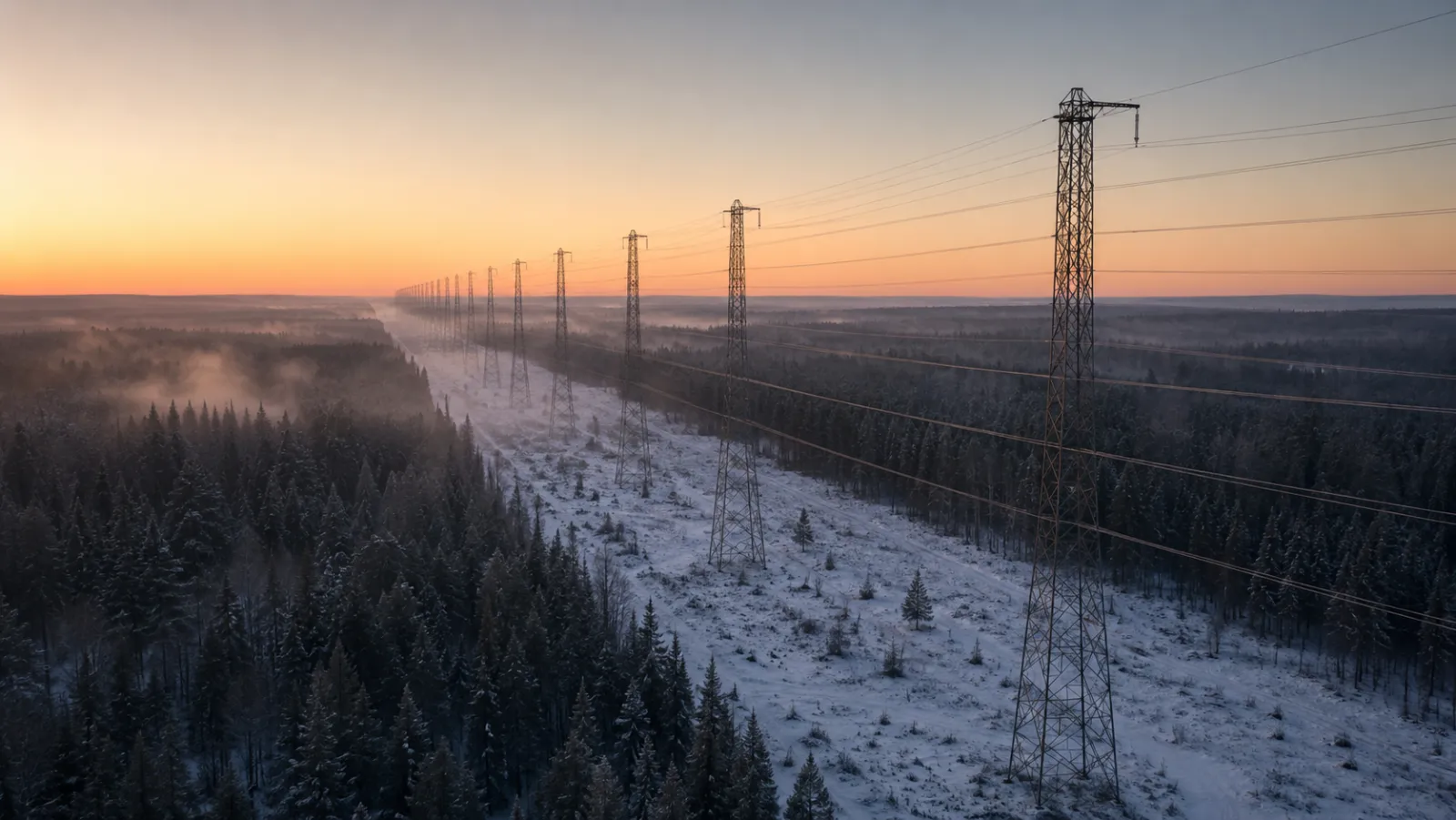
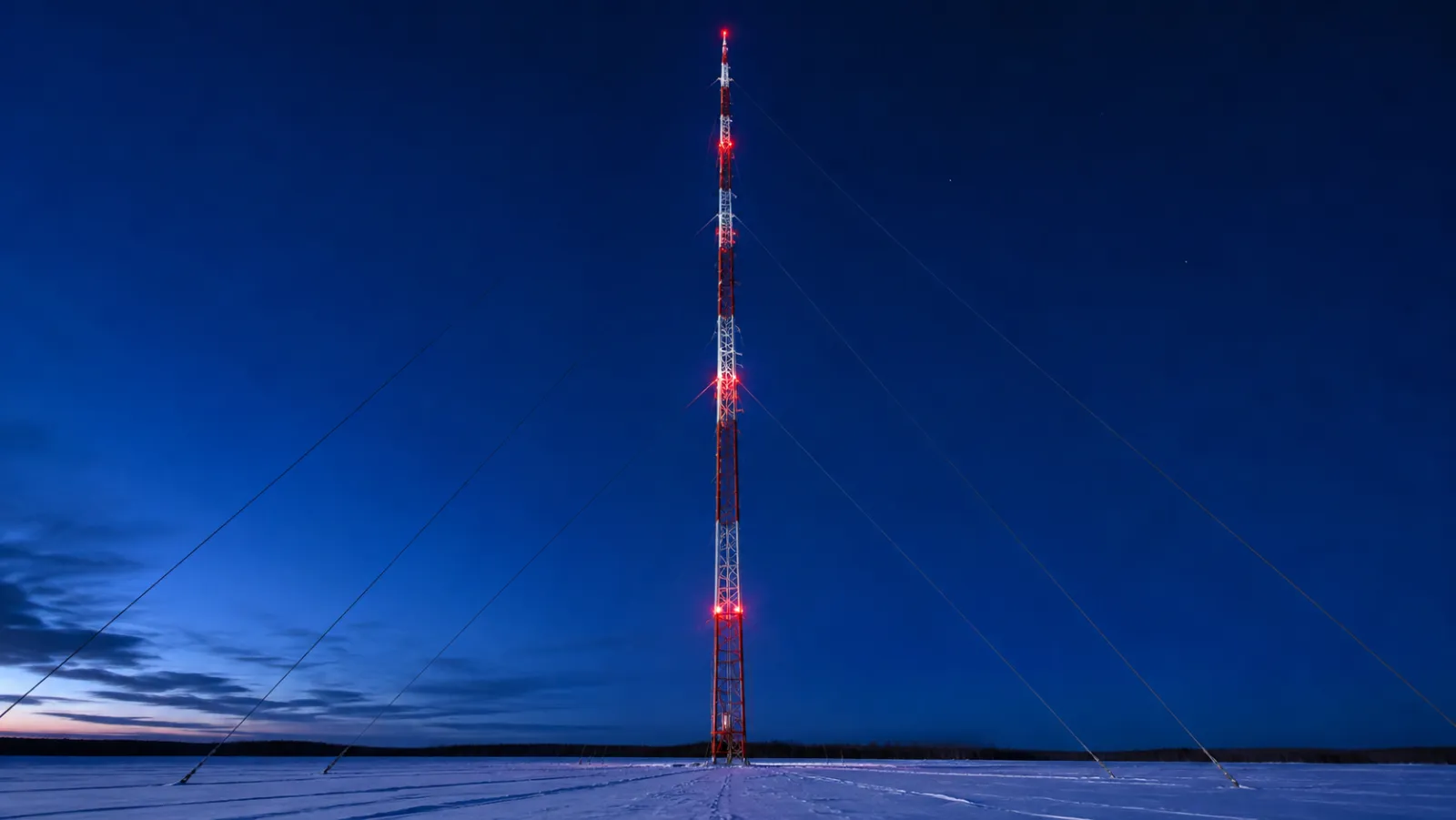
Extrem niederfrequente Wellen, die einzige Strahlung, die viele Meter Seewasser durchdringt.
AM-Mittelwelle
Reicht via Bodenwelle hunderte Kilometer, nachts via Ionosphäre interkontinental.
UKW / FM
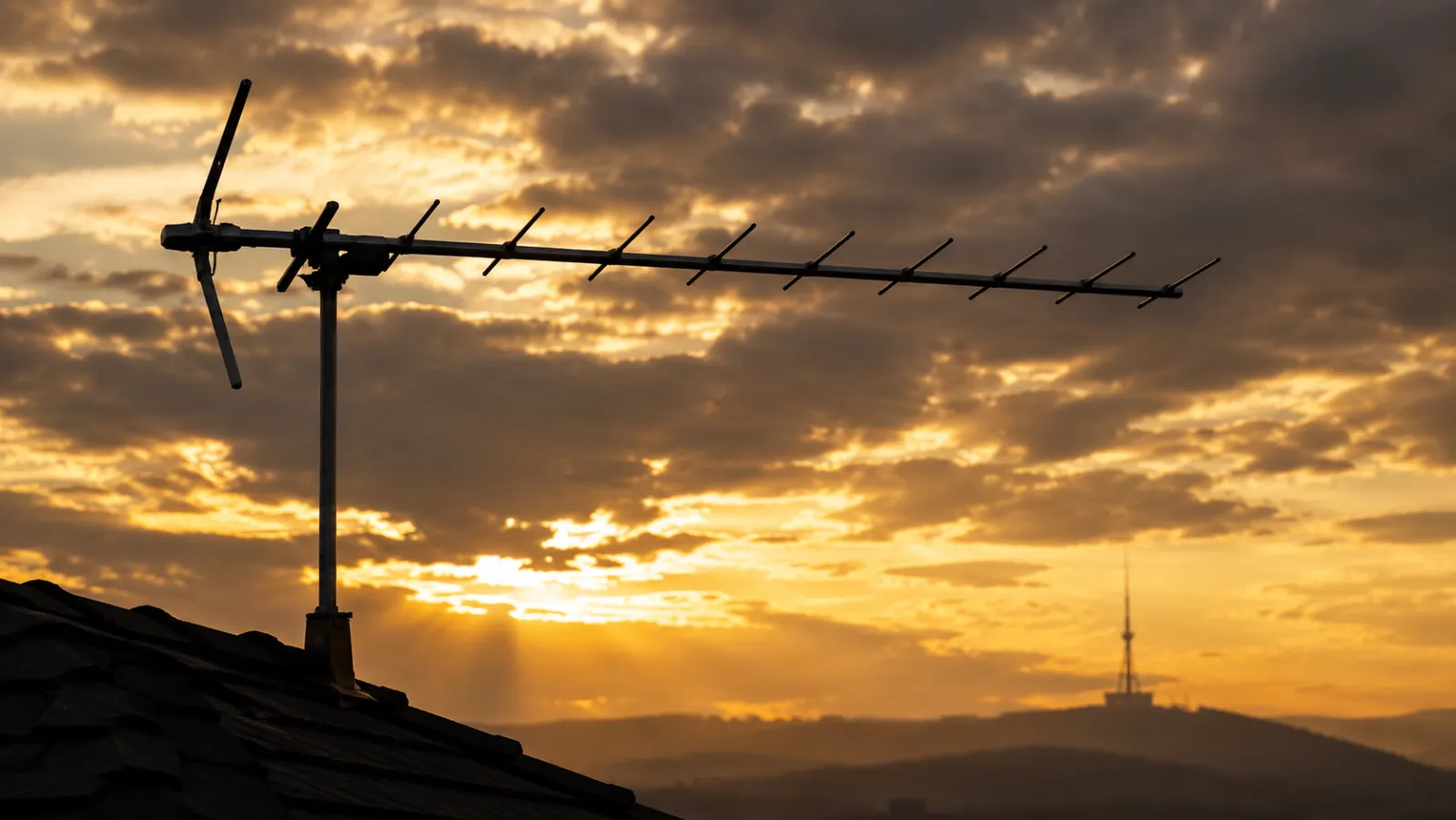
Quasi-optische Ausbreitung: Reichweite nur Sichtlinie plus leichte Beugung.
Mikrowelle / WLAN
Das 2,4-GHz-Band regt Rotationsmoden des Wassermoleküls an. Mikrowellenherde nutzen genau das.
Kosmische Hintergrundstrahlung
Das Echo des Urknalls bei 2,7255 K, die exakteste Schwarzkörperkurve, die je gemessen wurde.
Ferninfrarot
Wellenlänge des kalten interstellaren Staubs (~30 K), wo Sterne geboren werden.
Wärmebild / mittleres Infrarot
Wien-Peak bei Raumtemperatur: alles Warme strahlt hier; Wärmebildkameras horchen darauf.
Nahinfrarot
Die Silizium-Bandlücke liegt hier, deshalb sind Solarzellen und Glasfaser-Netze auf diesen Bereich getuned.
Sichtbar — Rot
Die obere Grenze des menschlichen Sehens. Die Hα-Linie der Sonne bei 656 nm liegt direkt hier.
Sichtbar — Grün (Augen-Maximum)
Empfindlichkeitsmaximum des Tagsehens. Der Wien-Peak der Sonne (502 nm bei 5772 K) liegt fast genau hier: die Evolution hat das Auge auf die Sonne abgestimmt.
Sichtbar — Violett
Die untere Grenze des sichtbaren Spektrums. Heisse A-Sterne wie Sirius (≈9940 K) strahlen nahe hier ihren Peak.
UV-A
„Schwarzlicht“: durchdringt Glas, bräunt die Haut, erzeugt Fluoreszenz. Noch nicht ionisierend.
UV-C (germizid)
DNA-Absorptionsmaximum liegt bei 260 nm. Hg-Niederdrucklampen bei 253,7 nm sterilisieren Wasser und Luft.
Extremes UV (EUV)
Hier beginnt die ionisierende Strahlung: ab E ≥ 10 eV (λ ≤ 124 nm). EUV-Lithografie bei 13,5 nm baut moderne Chips.
Weiches Röntgen
Heisses Plasma in Galaxienhaufen und Sternkoronen (~Millionen K). Nur aus dem Weltraum beobachtbar.
Hartes Röntgen (1 Å)
Eine Wellenlänge wie ein Atomradius, Grundlage der Röntgenkristallografie und medizinischen Diagnostik.
Gammastrahlung
Die energiereichste Strahlung im Spektrum, aus Gammablitzen, Supernovae und Kernzerfällen. Höchste je gemessene Photonen erreichen PeV.
Was wir „Licht“ nennen, ist ein winziger Ausschnitt des Spektrums. Ob Radio, Wärme, Farbe, Röntgen oder Gammastrahlung, es ist immer dieselbe Sache: ein oszillierendes elektromagnetisches Feld. Nur die Frequenz ändert sich.
Berechnungen mit exakten SI-Konstanten: c = 299 792 458 m/s · h = 6,626 070 15 × 10⁻³⁴ J·s · 1 eV = 1,602 176 634 × 10⁻¹⁹ J · Wien b = 2,897 771 955 × 10⁻³ m·K. CMB nach COBE/FIRAS (Fixsen 2009). Sonne nach IAU 2015 B3 (T_eff = 5772 K). Sichtbarer Bereich nach ICNIRP/CIE. Ionisierungs-Schwelle ≥ 10 eV ≙ λ ≤ 124 nm (FCC).